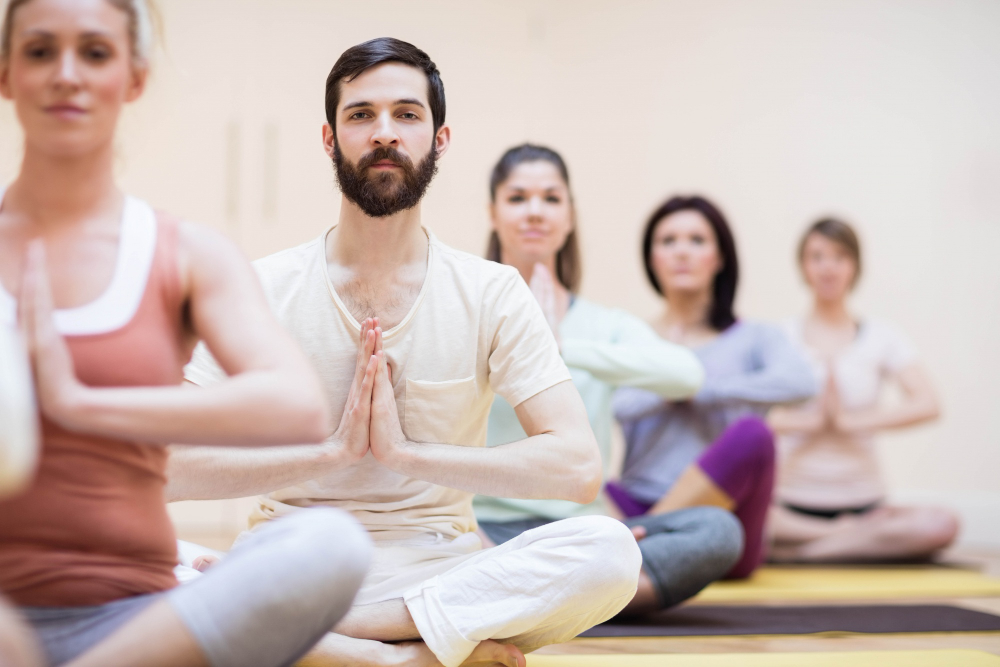
As yoga continues to gain global recognition, professional standards for yoga teachers have become increasingly important. One of the most respected credentials available to yoga professionals in India is the AYUSH Yoga Certification.
The Ministry of AYUSH has played a significant role in promoting authentic yoga education and creating standards that help ensure quality instruction. For aspiring yoga teachers, obtaining an AYUSH certification can enhance credibility, improve career opportunities, and demonstrate a commitment to professional excellence.
This guide explains what AYUSH certification is, why it matters, and how yoga practitioners can prepare for it.
What is AYUSH Yoga Certification?
The Ministry of AYUSH was established by the Government of India to promote traditional systems of health and wellness, including Yoga, Ayurveda, Naturopathy, Unani, Siddha, and Homeopathy.
AYUSH Yoga Certification provides a structured framework to assess the knowledge, skills, and teaching abilities of yoga practitioners and instructors.
The certification helps establish:
- Professional credibility
- Teaching standards
- Consistency in yoga education
- Recognition within the wellness industry
Why is AYUSH Certification Important?
As the wellness industry grows, students increasingly seek teachers who have undergone structured training and assessment.
AYUSH certification can help:
Build Trust
Students often feel more confident learning from certified instructors who have met recognized standards.
Enhance Career Opportunities
Certification may improve opportunities in:
- Yoga studios
- Wellness centers
- Schools
- Universities
- Corporate wellness programs
- Retreat centers
Demonstrate Professional Competence
Certification validates both theoretical knowledge and practical teaching skills.
Who Should Pursue AYUSH Certification?
AYUSH certification can be valuable for:
- Aspiring yoga teachers
- Existing yoga instructors
- Wellness professionals
- Fitness trainers
- Therapists incorporating yoga practices
- Individuals seeking formal recognition of their yoga knowledge
Skills Required for Certification
Successful candidates typically possess knowledge in:
Yoga Philosophy
Understanding the foundations of yoga including:
- Yoga Sutras
- Eight Limbs of Yoga
- Yogic ethics
- Traditional concepts of mind and consciousness
Practical Yoga
Candidates should demonstrate competency in:
- Asanas
- Pranayama
- Meditation
- Relaxation techniques
Anatomy and Physiology
Knowledge of the human body helps ensure safe and effective teaching practices.
Teaching Methodology
Teachers must understand:
- Class sequencing
- Student communication
- Safety considerations
- Adaptations and modifications
How to Prepare for AYUSH Certification
Preparation requires a combination of practical training and theoretical study.
Join a Structured Yoga Teacher Training Program
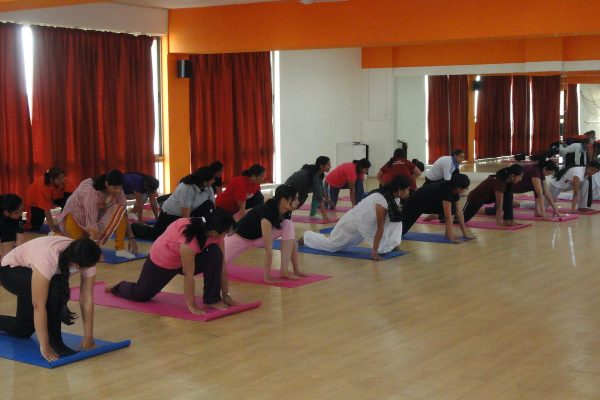
A comprehensive teacher training course provides a strong foundation for certification preparation.
Students gain experience in:
- Teaching practice
- Philosophy
- Anatomy
- Breathing techniques
- Meditation
Explore Param Yoga’s Yoga Teacher Training Course.
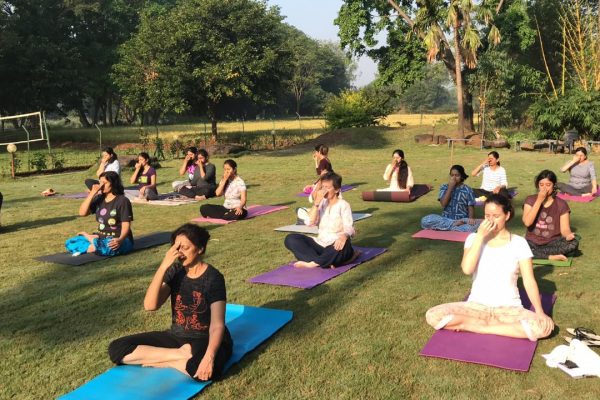
Develop Consistent Practice
Regular practice strengthens:
- Postural understanding
- Breath awareness
- Teaching confidence
Study Core Yoga Texts
Important areas include:
- Yoga Sutras
- Bhagavad Gita
- Basic yogic principles
- Traditional yoga concepts
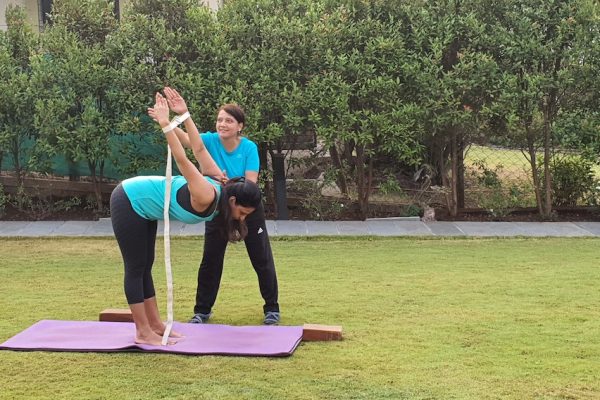
Practice Teaching
Teaching regularly improves confidence and communication skills.
Benefits Beyond Certification
The journey toward certification often creates significant personal growth.
Many practitioners experience:
- Greater discipline
- Improved self-awareness
- Better stress management
- Enhanced focus
- Stronger mind-body connection
Career Opportunities After AYUSH Certification
Certified professionals may pursue opportunities such as:
- Yoga instructor
- Wellness consultant
- Corporate trainer
- Workshop facilitator
- Online educator
- Retreat leader
Some also choose to establish their own yoga centers or wellness practices.
Why Train with Param Yoga?
Param Yoga combines traditional yogic wisdom with practical teacher training methods.
Students receive guidance in:
- Yoga philosophy
- Asana practice
- Pranayama
- Meditation
- Teaching methodology
- Certification preparation
This holistic approach helps students develop both personal and professional competence.
Conclusion
AYUSH Yoga Certification represents a valuable step for individuals who wish to establish credibility and deepen their understanding of yoga. Whether your goal is professional teaching or personal growth, structured training and dedicated practice can help you build a strong foundation for success.
FAQs
What is AYUSH Yoga Certification?
It is a recognized framework that evaluates yoga knowledge, practical skills, and teaching competency.
Is AYUSH certification mandatory for yoga teachers?
Not always, but it can significantly enhance professional credibility and career opportunities.
Can beginners prepare for AYUSH certification?
Yes. A structured teacher training course can help beginners develop the required skills and knowledge.
Does AYUSH certification help in employment?
Certification can strengthen your profile when applying for teaching and wellness-related positions.